

123 Creative Lane London, SW1A 1AA United Kingdom
With our biodiesel and biogas supply, we provide low-carbon alternative fuels for your fleet.
Support your FuelEU Maritime and EU ETS compliance obligations.
One platform, all products.
Biofuels are fuels produced from biological sources. Plant-based materials, animal fats, used cooking oils, agricultural residues, forest products, and various organic wastes can be used as feedstocks for biofuel production.
Biofuels can generally be divided into two main groups:
Conventional biofuels
Advanced biofuels
The environmental performance of a biofuel depends not only on its biological origin. The type of feedstock, production method, energy consumption, transportation process, and greenhouse gas emissions generated throughout the fuel’s entire life cycle must also be considered.

Biodiesel is a biofuel produced from sources such as vegetable oils, animal fats, and especially used cooking oils. Biodiesel with suitable technical specifications can be blended with fossil diesel at certain ratios or used as an alternative fuel in compatible engines and fuel systems. With the growing use of biofuels in shipping, biodiesel and similar fuels have become an important option for reducing the carbon intensity of the existing fleet.
Biomethane can be produced by upgrading biogas obtained through the anaerobic digestion of organic waste. When meeting the required quality standards, biomethane can be used as an alternative in natural gas infrastructure and LNG-based maritime applications.
Biofuels used in shipping are not limited to biodiesel. Different fuels produced from biological sources or waste and residue feedstocks can be used depending on their compatibility with existing marine engines.
The technical specifications, sustainability criteria, and emission performance of these fuels should be evaluated individually.
Methanol can be produced from fossil fuels as well as biomass or renewable sources. Biomethanol derived from biogenic sources and meeting relevant sustainability criteria is considered a low-carbon fuel option for the maritime sector.
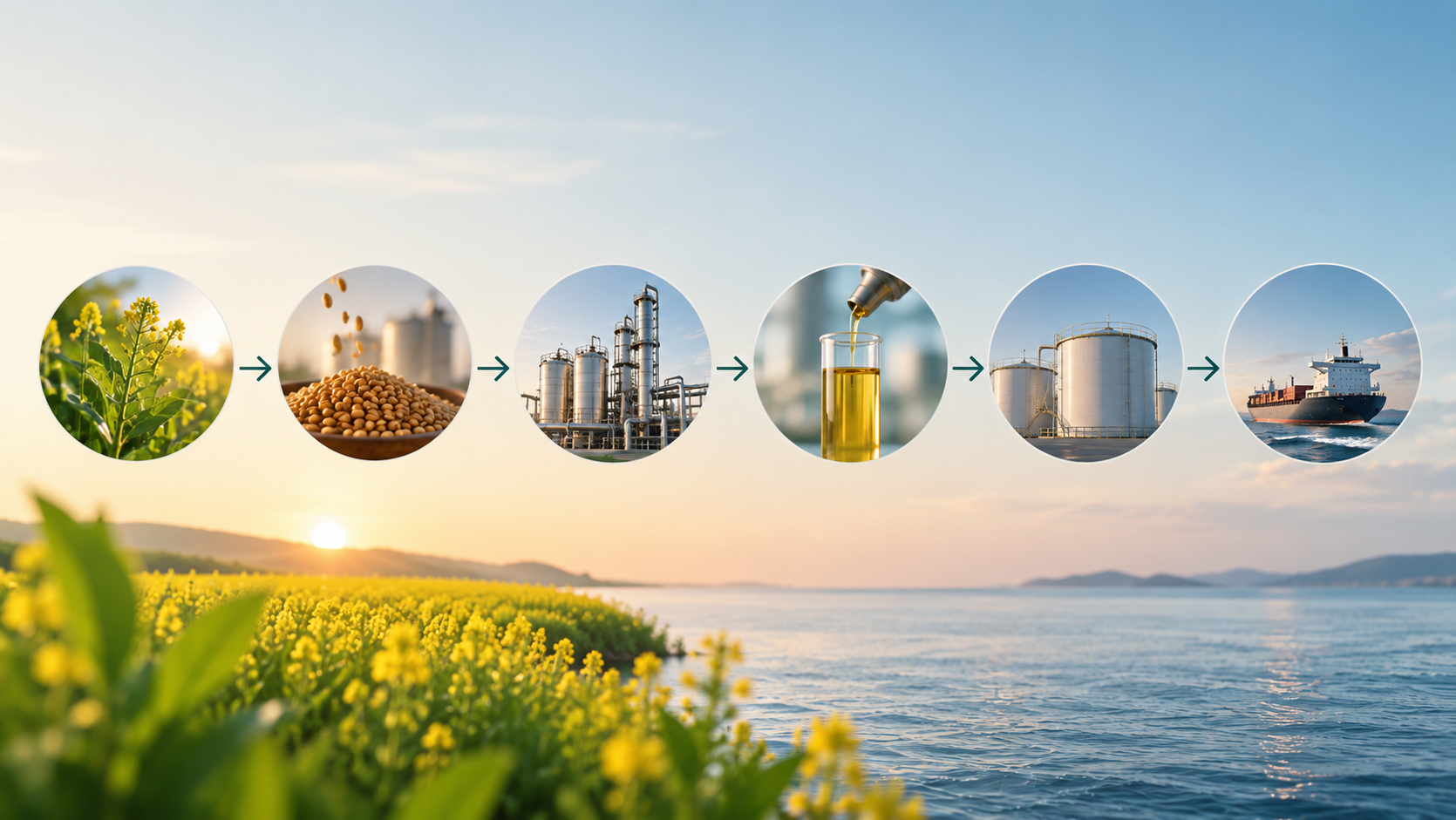
The biofuel production method varies depending on the feedstock and the type of fuel being produced. For example, in biodiesel production, vegetable or animal fats undergo specific processing steps, typically followed by a chemical reaction called transesterification.
In general, the process follows: Feedstock → Pretreatment → Conversion Process → Purification → Quality Control → Biofuel
In advanced biofuel technologies, waste, agricultural residues, and other biomass sources can be converted into fuel using various thermochemical or biochemical methods.
One of the key advantages of biofuels in the maritime sector is their potential to be used in some existing vessels without requiring major engine modifications.
This creates an important opportunity for ship operators seeking to reduce the carbon intensity of their existing fleet without investing in new vessels.
However, the fuel’s technical compatibility with the vessel’s engine, its quality characteristics, and the relevant fuel standards must always be evaluated.
With the inclusion of the maritime sector in the European Union Emissions Trading System, the impact of marine fuels on carbon costs has become increasingly important.
Biofuels that meet the required sustainability criteria may, under certain regulatory conditions, be treated differently from fossil fuels.
Therefore, biofuel use should be evaluated not only in terms of fuel cost, but also together with its potential EU ETS impact.
However, not every biofuel is automatically considered zero-emission. The fuel’s feedstock, production method, sustainability criteria, and required documentation are all highly important.
FuelEU Maritime aims to reduce the greenhouse gas intensity of energy used on ships.
Therefore, low-GHG-intensity biofuels that meet the relevant sustainability criteria can play an important role in FuelEU Maritime compliance.
Biofuels produced from waste and residue feedstocks, in particular, have the potential to achieve lower life-cycle emissions than fossil fuels.
However, a fuel’s eligibility under FuelEU should be assessed not only by whether it is classified as a “biofuel,” but also according to the relevant sustainability and greenhouse gas emission criteria.
Sustainable feedstock supply is one of the most important factors for the future of biofuels.
Using waste sources such as used cooking oils, animal fats, agricultural residues, and other suitable materials can reduce the need for new agricultural land while turning existing waste into economic value.
This approach also contributes to the development of a circular economy.
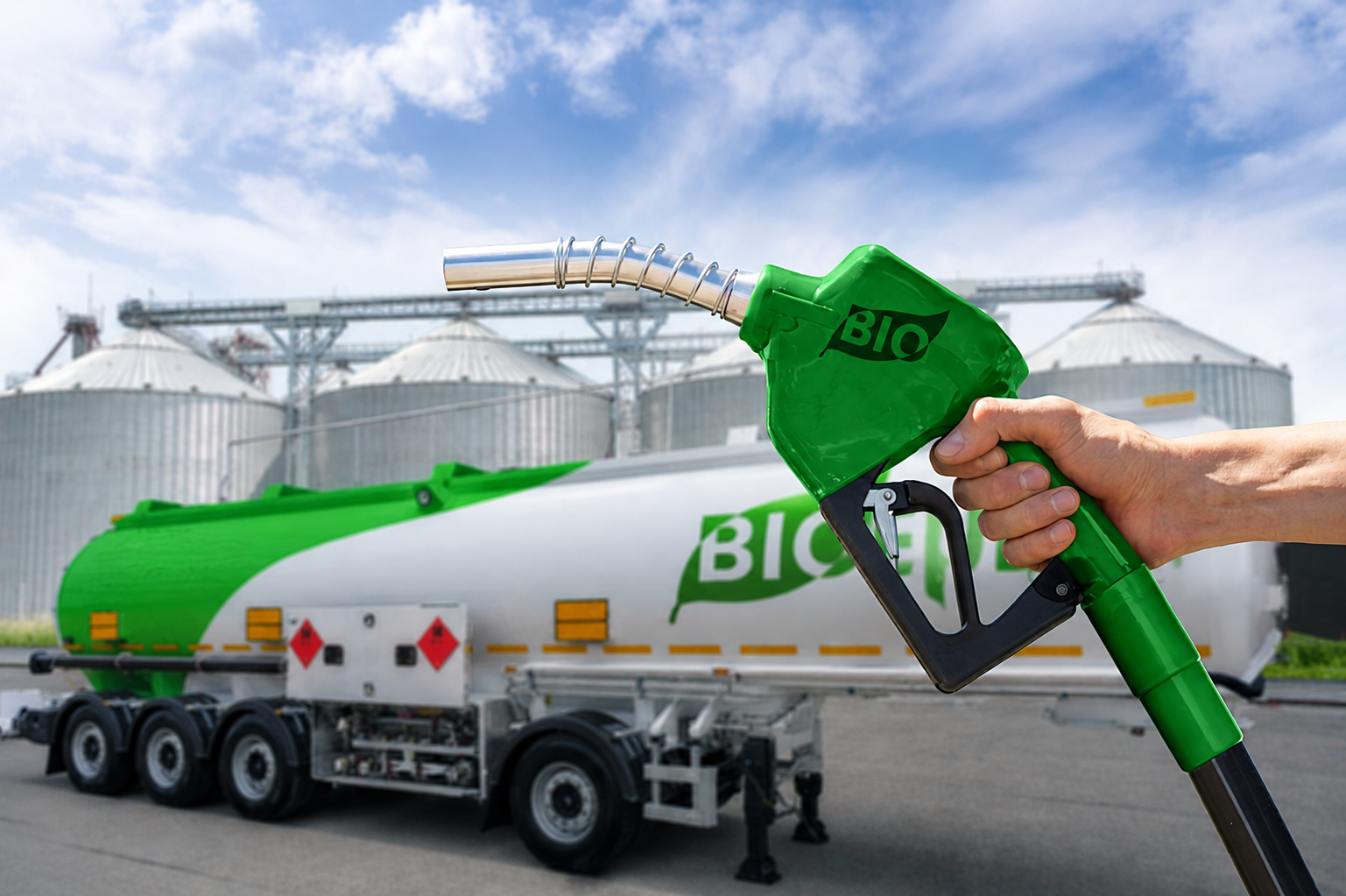
There are several important challenges to the widespread adoption of biofuels.
These include limited sustainable feedstock supply, expanding production capacity, fuel costs, logistics infrastructure, bunkering availability at ports, and verification of sustainability criteria.
Biofuels also cannot be used in the same way across all vessels. Their compatibility with the vessel’s engine and fuel system must be technically assessed.
Therefore, both technical and regulatory factors must be considered when using biofuels.
For the widespread adoption of biofuels in shipping, increasing fuel production alone is not enough. A sustainable ecosystem requires:
Expanding feedstock sources,
Improving waste oil collection systems,
Investing in new production facilities,
Developing fuel supply and storage infrastructure,
Expanding biofuel bunkering at ports,
Strengthening sustainability certification,
Ensuring fuel traceability,
Developing long-term partnerships between shipowners and fuel suppliers,
Increasing R&D investment in biofuel technologies.

Biofuels are expected to play an important role in the future of the maritime sector. However, rather than the entire industry shifting to a single fuel technology, it is more likely that different fuels will be used together depending on each vessel’s operational profile.
In the short and medium term, biofuels may be an important option for reducing the emission intensity of the existing fleet, while green methanol, ammonia, hydrogen, and other alternative fuels may play a role in the long-term energy transition.
Therefore, biofuels should not be considered a standalone solution for achieving zero- or low-emission targets in shipping, but rather as an important part of a broader energy transition.
Biofuels have significant potential in the maritime sector’s energy transition. In particular, biofuels produced from waste and residue sources that meet relevant sustainability criteria can help reduce fossil fuel consumption and life-cycle greenhouse gas emissions.
As regulations such as EU ETS and FuelEU Maritime become increasingly important, fuel selection is no longer simply an operational decision but has also become a key strategy for managing emissions and costs.
Success in the future of shipping will depend not only on producing alternative fuels, but on combining sustainable feedstock supply, reliable certification, strong fuel infrastructure, accurate emission calculations, and effective compliance management.
Receive weekly price quotes and key market updates on EUA, FuelEU Maritime and biofuel markets directly in your inbox.
EUCMX is a carbon trading platform providing digital access to the EU ETS, FuelEU Maritime and sustainable fuel markets. It enables you to manage EUA trading, FuelEU pooling and surplus processes through a single platform.
Dijital Park Teknokent
Barbaros Mahallesi, Sebboy Sk. 4/1M, 34634
Ataşehir Istanbul
Turkey
Copyright © 2026 EUCMX. All rights reserved.